



Polari is a language built from lots of different sources used by gay men from the 1940s to the 1970s. Now, as we uncover more queer history, people have taken a renewed interest in Polari. This LGBTQIA+ history month, we look at the story of Polari – what it is, where it came from, what it was used for and why people stopped using it.
Where did Polari come from?
We can trace the root of Polari back to the language of Mollys. Mollys were men in the 1700s who slept with men, called each other women’s names and sometimes dressed in women’s clothes. Their activities were treated as criminal, and the language of criminals known as Cant became part of the language of Mollys. Another source of Polari comes from Parlyaree, a 19th-century slang used by beggars, sex workers, and travellers. Parlyaree was then used by travelling actors, which was a stigmatised job at the time. The actors then bought Parlyaree to theatres where gay men worked as chorus boys. By the 1940s, gay men started using this language and calling it Polari. Polari spread to cruise ships, as cabin crew was also a popular job for gay men. Polari was used widely in London and started incorporating cockney rhyming slang.

Why speak Polari?
People would use Polari to try to find out if someone they met was gay, while remaining safe themselves. They could mix a Polari word into conversation, and if the person they were speaking to replied with Polari, you knew they were queer, possibly theatre people or someone who did not view queerness as criminal.
Polari was also used to speak in secret, to gossip and to insult straight people, who would be able to tell they had been insulted due to the tone used, but wouldn’t know what had been said. People would comment on the bodies of those around them, and if they fancied them, meaning there are a lot of words in Polari for parts of the body. Older members of the community would teach new members the language and give them a camp name.

Polari was a language that also helped people affirm their identity and show their values. For example, Polari contains many words for the police that were considered mocking. Gay relationships were illegal in England and Wales until 1967, making gay men and the police at odds with each other. You could be arrested, lose your job and have your name published in the papers if people knew you were gay. Polari helped men to cope with prejudice and laugh in difficult times.

Round The Horne
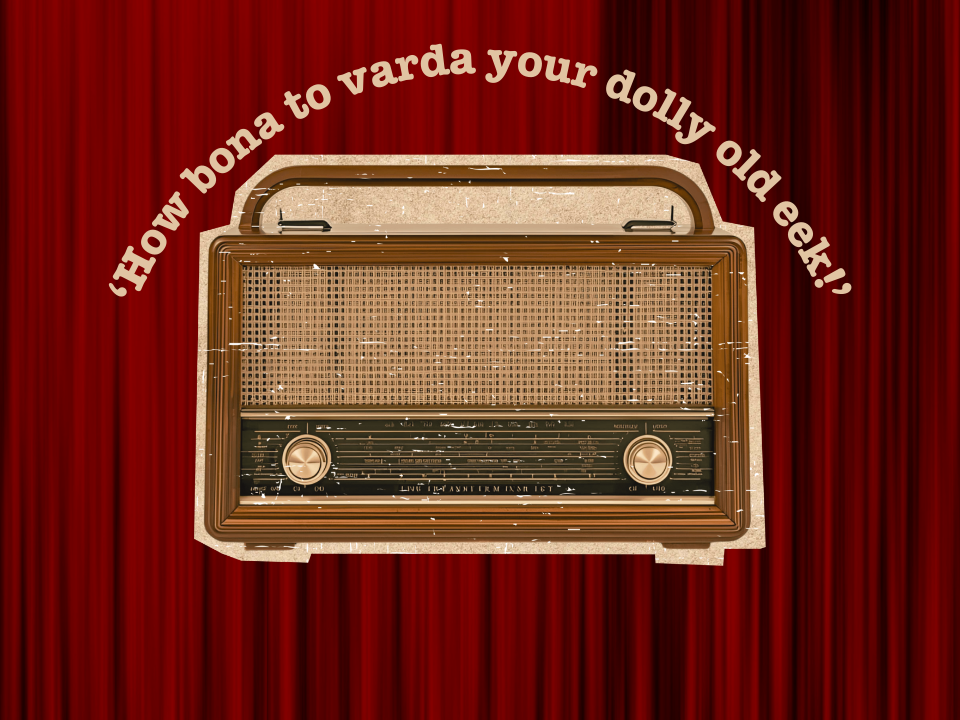
When telling the story of Polari, the radio show Round The Horne plays a significant part. It was a BBC radio series broadcast from 1965–1968. The sketch show featured the characters of Julian and Sandy, two out-of-work actors. They were gay-coded (features of how they spoke and what they said told the audience they were gay). Julian would start a sketch by saying:

Nowadays, Julian and Sandy would seem like stereotypes, possibly even offensive. But in the 60s, this depiction of two gay men who were likeable, family-friendly, and being themselves was rare. Despite this, Round the Horne had some very rude jokes in it, because those whose job it was to censor these jokes didn’t understand what Julian and Sandy were saying.

What happened to Polari?
Polari came to be seen as a way of mocking gay people, or objectifying gay men, reducing them to body parts. It also became associated with older gay men and if you used it, you came across as out of date. In Polari, a young gay man would be called a chicken; if you called someone that now, people wouldn’t understand what you were talking about (now you would say a ‘twink’). In 1970s, Polari started to die out, and by the 90s, it was out of use entirely.
Polari is now seen as part of queer heritage and could be considered no longer taboo. You can find documentaries, short films and music that reference Polari. Looking back at Polari shows us the history of people who lived on the outside of mainstream society, claiming a safety for themselves while moving through an unsafe world, determined to meet oppression with creativity.
Want to learn more words in Polari? Click HERE for a Polari dictionary.
The source for this article is Polari – a Very Queer Code by Professor Paul Baker. You can find more information about Polari and Professor Baker’s book HERE.


0 Comments