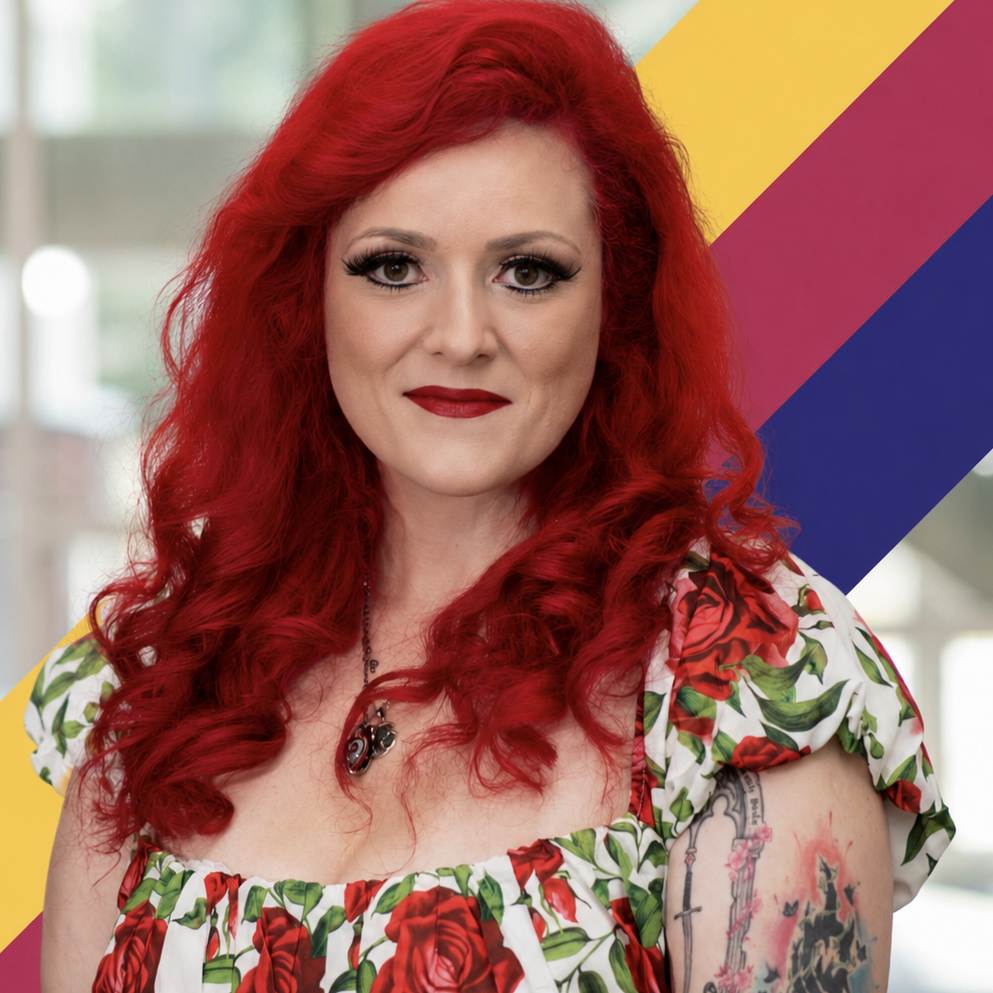

Insomnia shapes my life in ways that are difficult to explain to anyone who has not lived it. It is not just the absence of sleep; it is the presence of everything else – racing thoughts, sensory overload, anxiety, and the quiet dread of knowing the next day will arrive whether I am rested or not. As a full-time mother, a full-time Open University student, and someone living with depression, anxiety, ADHD and autism, insomnia affects every role I hold and every ounce of energy I have.
Most nights, sleep is fragmented or absent. My mind refuses to switch off, my body remains alert, and exhaustion becomes a constant background hum. Studying after nights like this can feel like trying to think through static. Concentration slips, memory falters, and tasks that should take minutes stretch into hours. Yet the expectation to keep going – to meet deadlines, to show up, to perform – remains unchanged.
What keeps me going, even on the hardest days, are my children.
My eldest son is studying full-time at university and is currently in his second year. Watching his dedication, resilience, and growth inspires me daily. He reminds me why education matters, even when it feels overwhelming. My youngest son has been through more than many people realise. He is ADHD and autistic, and despite significant challenges, he continues to persevere towards his GCSEs. His determination in the face of difficulty is a constant source of strength for me. When insomnia drains me and self-doubt creeps in, I look at my sons and remember that persistence does not mean ease – it means continuing anyway.
Alongside parenting and study, I also share my life with three Maine Coon cats. Anyone familiar with the breed will know they are affectionate, intelligent, and extremely high maintenance. They need routine, stimulation, interaction, and care – and they are particularly active during the night. When insomnia already has me awake, their late-night energy can push exhaustion further. Yet they also bring comfort, companionship, and grounding during periods of low mood and anxiety. They are joyful, demanding, and very much part of the complex ecosystem of my daily life.
What makes juggling all of this particularly difficult is how invisible much of it is. Insomnia, mental health struggles, and neurodivergence do not always look like disability from the outside. If assignments are submitted and responsibilities are met, it can appear as though everything is fine. But coping is not thriving. Many disabled students exist in a constant state of burnout, believing they are struggling alone.
I know now that this is not true – because I reached out.
One of the most meaningful sources of support in my academic journey has been the friends I have made through The Open University. Their encouragement, understanding, and shared motivation have helped me through moments where giving up felt easier than continuing. Sometimes support looks like academic discussion; other times it is simply someone saying, “You’re not alone in this”. That sense of connection can make the difference between disengaging and persisting.
This is also why community spaces matter so much. The Wales Club Virtual Study Room exists as a relaxed, inclusive space where students can study alongside others without pressure. It is not a tutorial or a performance – it is a place for quiet motivation, shared presence, and understanding that everyone arrives carrying different challenges. For students dealing with insomnia, mental health difficulties, caring responsibilities, or neurodivergence, spaces like this can be lifelines.
Equally important is knowing where to seek formal support. The Open University offers dedicated mental health and wellbeing support for students, which can be accessed here – https://help.open.ac.uk/mental-health-support.
Reaching out for help can feel daunting, especially when anxiety or depression convinces you that your struggles are not “serious enough”. But support exists because students’ wellbeing matters – not just their academic output.
Living with insomnia has reshaped how I understand success. Success is no longer perfection or constant productivity. Sometimes success is submitting an assignment after a sleepless night. Sometimes it is showing up for my children despite exhaustion. Sometimes it is reaching out – to friends, to fellow students, to support services – and allowing myself to be held by community.
The Open University is built for students with complex lives. Parents, carers, disabled and neurodivergent students, and those returning to education later in life all bring rich experience and resilience. By continuing to centre lived experience, flexibility, and compassion, the University can help ensure that students do not have to sacrifice their health in order to succeed.
I am proud to be a student, a mother, and an advocate – even when insomnia makes all three feel unbearably heavy. And if there is one thing I have learned, it is this: perseverance does not happen alone. It happens in community.
Because education should be about opportunity, support, and growth – not silent exhaustion.