

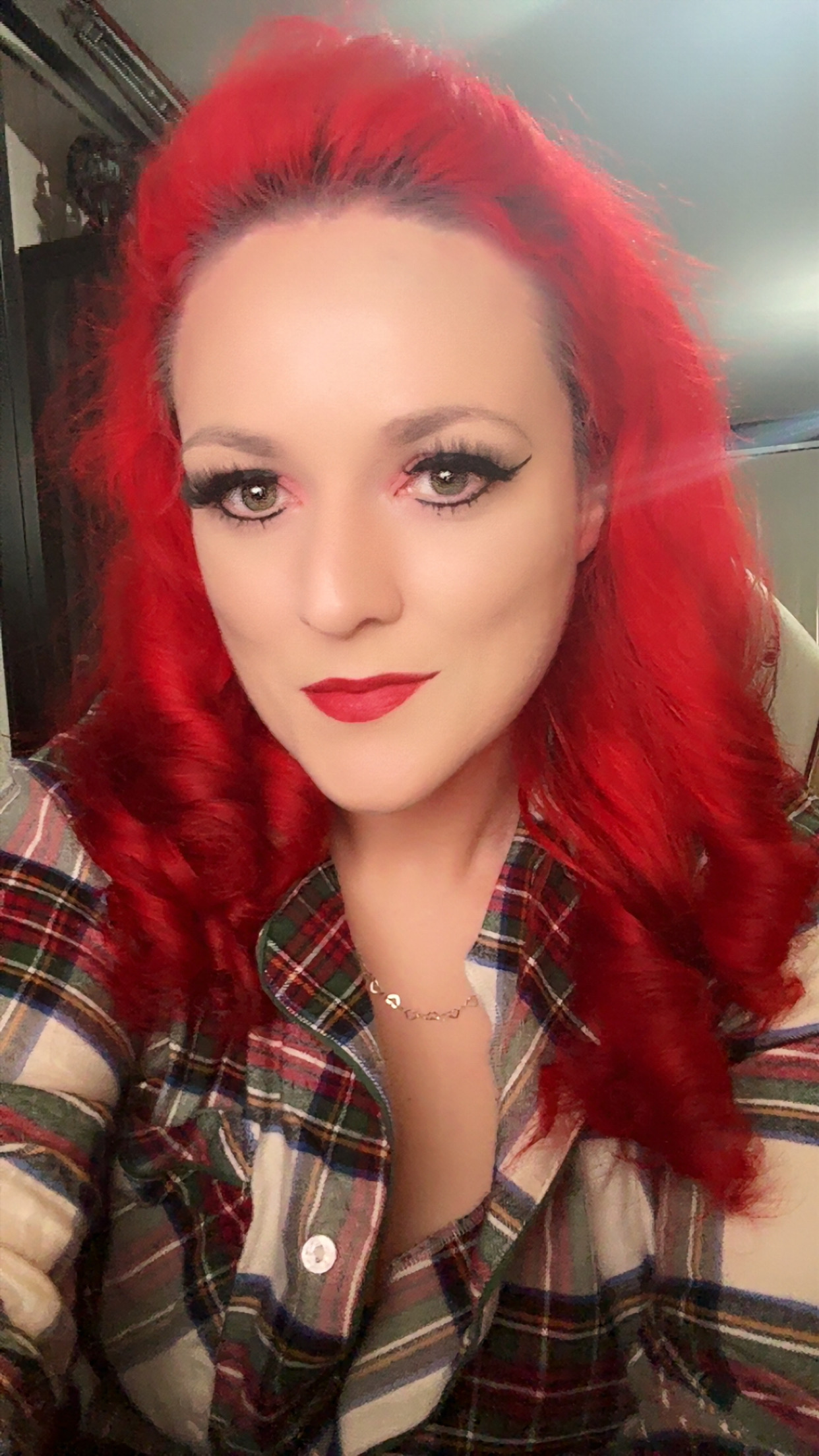

I recently had the pleasure of participating in a Hustings Q&A. These are the answers that I gave, the areas that I would love to work on!
I didn’t come to the Open University thinking about leadership.
I came here to study quietly, independently, and if I’m honest, quite alone.
Like a lot of students, I was figuring everything out as I went, balancing life, navigating systems that weren’t always clear, and wondering if I was the only one feeling a bit disconnected from it all.
As you can guess, I wasn’t alone in my blundering around in the dark!
And once I realised that, something shifted.
I stopped just getting through my degree and started asking, how can this be better for all of us?
That’s why I’m standing for President.
So what would I actually do?
For me, this role is about making OpenSU feel more visible, accessible, and human.
Because right now, too many students don’t feel connected, not because they don’t want to be, but because the pathways just aren’t always clear or welcoming, sometimes not accessible or fluidly easy to manage.
Making sure every voice is heard
Not all students are starting from the same place, especially access students, disabled students, mature students, BAME students or anyone who feels like they don’t quite “fit” yet.
We need to actively show those students that they belong here, that their voices matter just as much as anyone else’s.
That means improving how we connect students. I’d love to see a fresher, more accessible version of OU Connect, picture a cross between Myspace, Facebook and Bebo (yes, I am that old!), something that actually works for students.
A space where you can:
- Easily find and connect with others
- See clear updates on policies and faculty changes
- Understand what’s happening without having to search for it
- Know who your student rep is straight away
- A suggestion from other students studying in your area
- A recommendation of clubs and societies.
- a weekly “student wins” based on the everyday little wins
Alongside that, it’s about creating multiple ways to be heard, not just through formal consultations, but also through informal, safe, and accessible spaces.
Because inclusion isn’t just about inviting people in, it’s about making sure they feel confident enough to speak once they’re there.
Building real connection, not just visibility.
If I’m elected, one of the simplest yet most impactful things I’d introduce would be a monthly “question time”.
A dedicated hour where students can directly ask the President or Deputy President anything, openly, honestly, without barriers.
Because visibility matters, but accessibility matters more.
I’d also work closely with the new Belonging and Opportunity role, and collaborate with BAME, LGBTQIA+, and Disability reps to create more meaningful spaces.
Not just events for the sake of it, but:
- real conversations
- proper mental health-focused sessions
- and opportunities to genuinely gather student input
- collaborations with academics, tutors and researchers, for more informal Teams space events that will provide additional support to the current tutorials
That input wouldn’t just sit in a document or a one-off event; it would feed directly into things like the OU Ready section, so new students start their journey feeling informed, supported, and included from day one, implementing already well designed ideas, such as the “understanding me as a learner” formation by Mel Green that creates templates for students to tell tutors what their additional needs are.
What belonging actually looks like
For me, belonging isn’t about big, polished events.
It’s about the quieter moments, the low-pressure spaces where students feel comfortable enough to show up.
I’ve seen how powerful that can be through things like study rooms:
- cameras off if you want
- no pressure to speak
- just being in a space where you’re not alone
That’s what I want to build more of, alongside making sure students actually know these spaces exist.
Because we can have the best opportunities in the world, but if students don’t see them or don’t feel confident joining, they don’t work.
So why me?
Because I’ve lived both sides of this experience.
I know what it feels like to feel invisible here.
And I know what it feels like when that changes.
Everything I’m proposing comes from that place, not just ideas, but lived experience, and a genuine belief that OpenSU can feel more connected, more inclusive, and more supportive for every student. I’m deeply flawed, unpolished and rough around the edges at times, just as any one of us can be, but all of us are diamonds!
And whether you’re at day one or day one thousand, your voice matters.



Good Luck Scarlett!